This science transfer project facilitated the transition of the Apalachicola Bay System Initiative’s Community Advisory Board to a long-term successor group called The Partnership for a Resilient Apalachicola Bay.
The Project
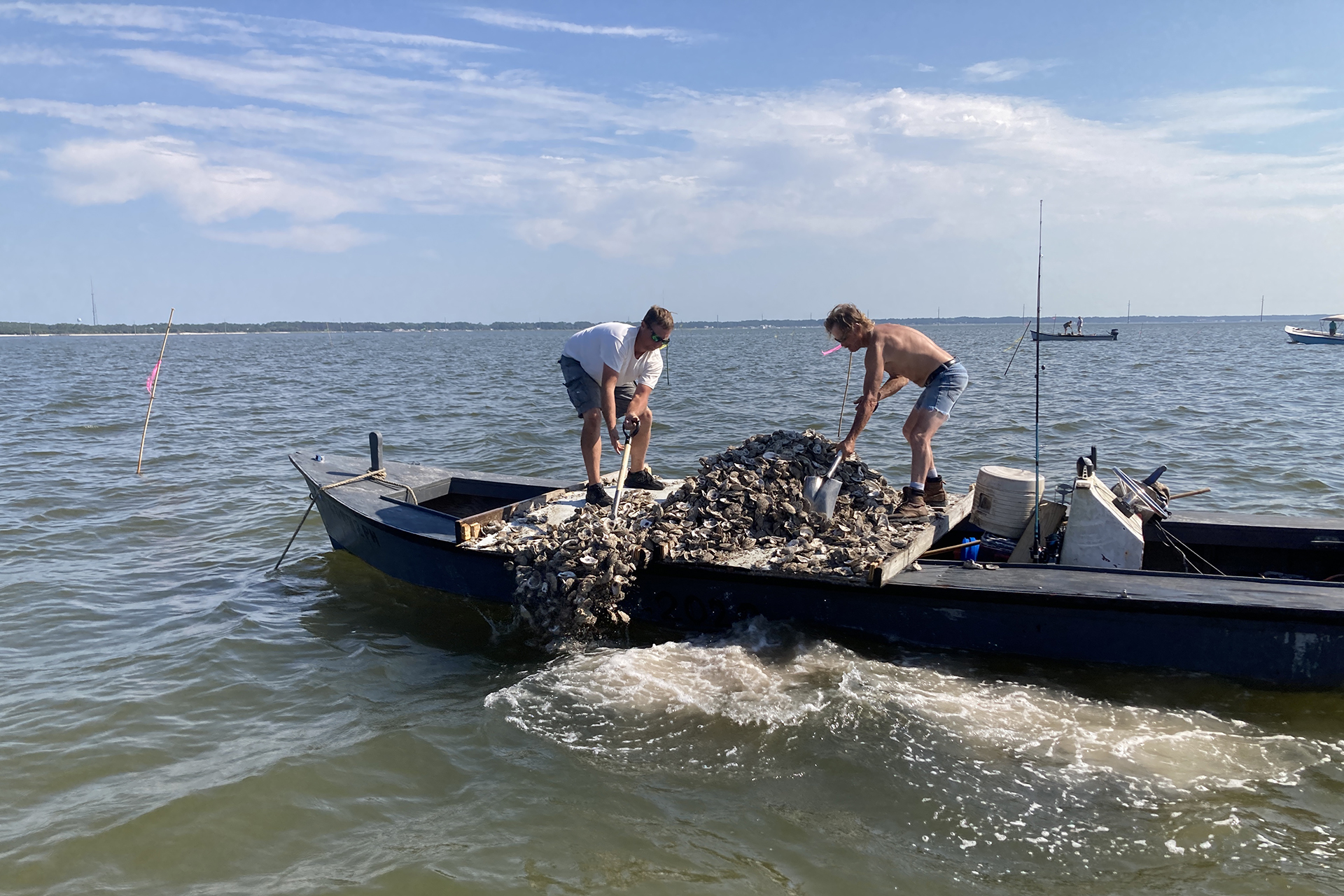
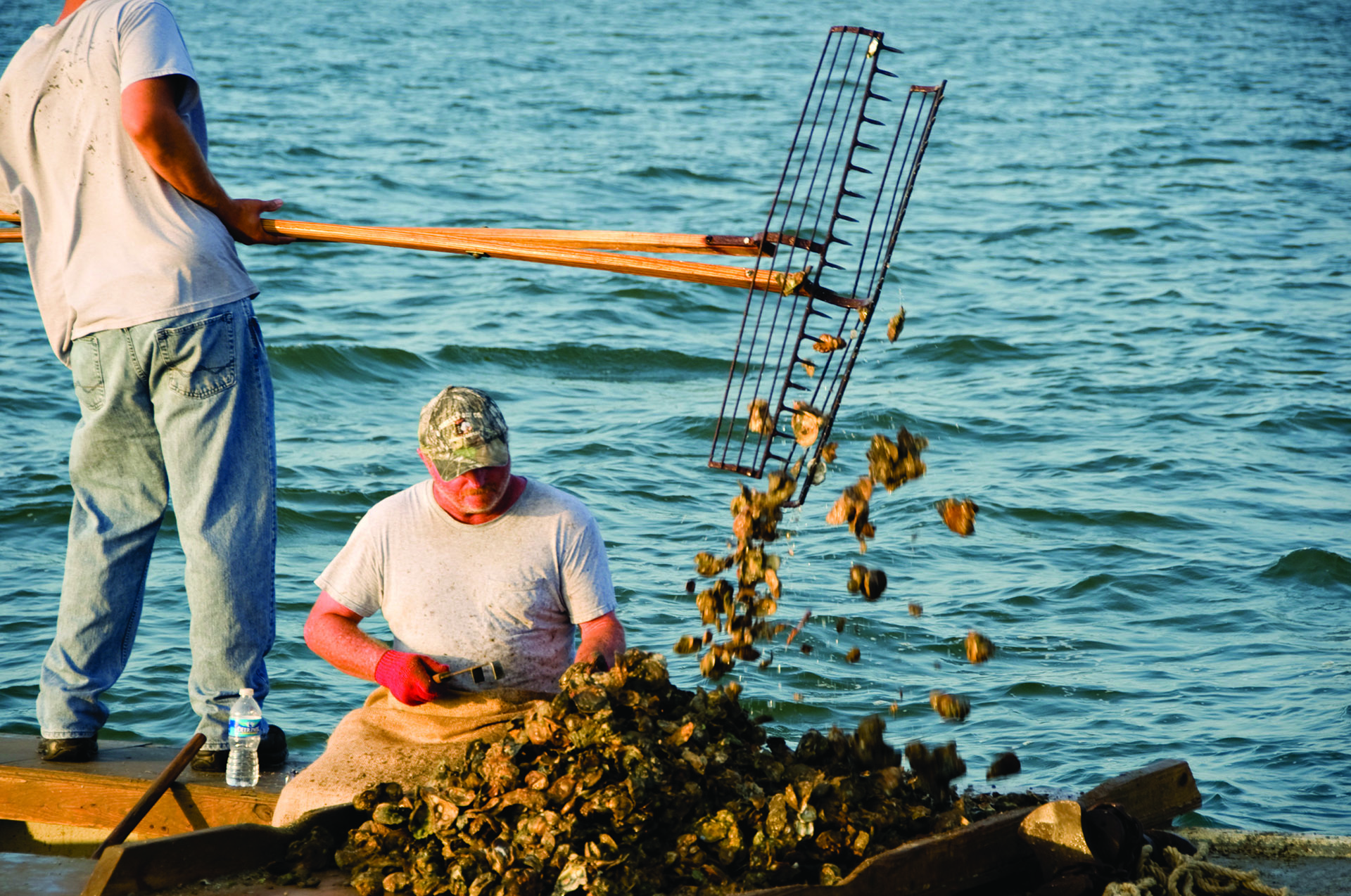
Apalachicola Bay once produced 90% of Florida’s oysters. The oyster industry sustained the livelihood of most of the area’s residents but in the early 2010s the fishery collapsed and was declared a federal fisheries disaster. The Apalachicola Bay System Initiative (ABSI), hosted at Florida State University’s Coastal and Marine Laboratory, has long collaborated with the Apalachicola National Estuarine Research Reserve. ABSI seeks to gain insight into the root causes of the Bay ecosystem’s decline and deterioration of the oyster reefs. By design, ABSI plans align with the Apalachicola National Estuarine Research Reserve’s (ANERR) goal to support an adaptive management plan for the oyster fishery that addresses anthropogenic climate drivers. This project was built on the work of the ABSI by supporting the launch of a successor to the previous Community Advisory Board (CAB). The CAB was a temporary group that ended its work in November 2023, and provided a one-year bridge from prior funding to long-term, more sustainable funding sources. The new group, The Partnership for a Resilient Apalachicola Bay (The Partnership), is a permanent representative collaboration that will advocate for the adoption and implementation of the restoration framework developed by the CAB into the future. The Partnership brings together environmental managers, community members, and scientists in a shared effort to ensure the long-term health of Apalachicola Bay by engaging state agencies responsible for the restoration and management of the Apalachicola Bay System.
The Partnership continues the CAB’s approach of engaging and integrating user groups from a range of organizations that include NGOs, citizen groups, local businesses, local government, the seafood industry, state government, and academia. Over the course of the project, the Partnership team facilitated five meetings and one community outreach meeting, attained 501(c)3 nonprofit status, and created a website to host resources for local users and stakeholders.
The Impact
- The Partnership and its leadership are recognized as a hub for outreach with the local community. As such, it provides a unified voice that can communicate with state and federal agencies about oyster harvesting recovery and management recommendations.
- Partnership meetings provide a structured forum to review and analyze results of restoration experiments. Announcements, insights, media, and presentations from these meetings are available to the public via the Partnership website.
- Local industry Partnership members have continuously participated in a series of year-long meetings.
- This project provided the opportunity to create a true not-for-profit 501(c)3 organized group with representatives from the traditional oyster industry, both harvesters and dealers, as well as dedicated individuals who are knowledgeable and proficient with data and technical aspects of the project. This will ensure that effective long-term management and restoration strategies of oyster reefs and fisheries are implemented, monitored, and adaptively managed toward restoring and enhancing management.